
You can’t get sentimental when a restaurant shuts down. Restaurants open and close, it’s the nature of the business. Nor is it really relevant to say that No Reservations – which did indeed shut down on February 15, after six years and two months – was, in my opinion, the best restaurant in Nicosia, probably in Cyprus; we all have our favourites.
What’s undeniable, however, is that No Reservations was that very rare thing in the increasingly impersonal world of local dining: a family business, and indeed a chef-owned restaurant.
The chef’s name is Martino Speciale; he ran the place along with his wife Monica (Martino is Italian, Monica is Cypriot-Panamanian). The couple, both now in their late 30s, opened No Reservations in December 2011, having just arrived from London where Martino used to work at the Four Seasons (he was restaurant chef at Quadrato, the Italian restaurant at Four Seasons Canary Wharf). Monica was pregnant with their second child Sonny – named after ‘Sonny’ Crockett in Miami Vice; his older brother is called Kimi, after Kimi Raikkonen – and the Speciales had no money, having always been “a couple who spent money on food”, as Martino puts it. They took out a small loan, and opened the restaurant. Martino manned the kitchen, along with a helper and a dishwasher; Monica did front of house, along with (eventually) two waitresses.
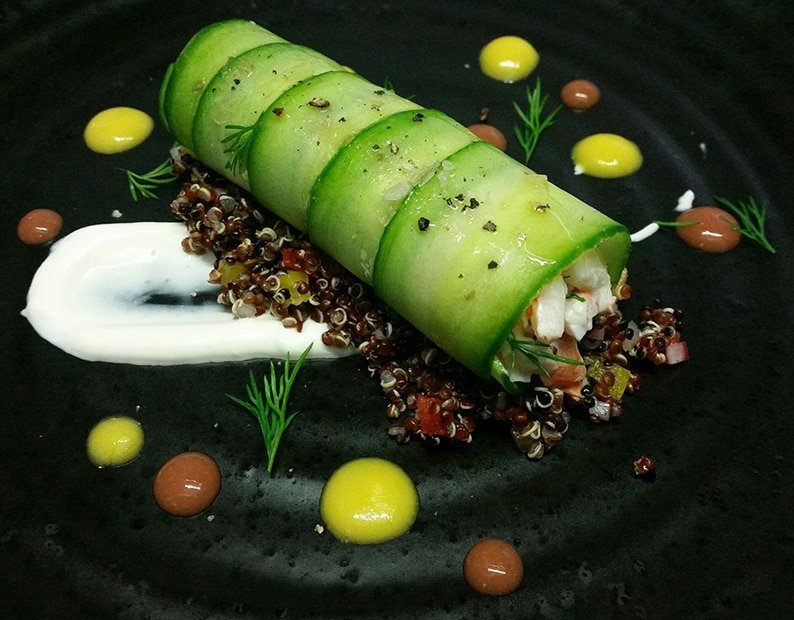
This is not the way it usually goes. Chefs in Cyprus tend to be mercenaries, brought in when a businessman makes a deal with a foreign franchise (Jamie’s Italian, say) or investors sink money into a new venture. It’s very uncommon for a chef to be more than an employee. Kebab houses are still sometimes family-run, of course – but we’re not talking here about kebab houses. No Reservations was ambitious and creative, offering a wide-ranging tasting menu (the customer’s only choice was whether to go for seven or 10 dishes), Italianate in character but taking in ingredients from foie gras to scallops to the Cypriot trachanas to Jerusalem artichokes.
This kind of food was never going to please everyone – yet the restaurant became something of a cult, especially in its last couple of years. Some rabid fans ate there twice a week, every week. (The 10-course option was priced at a great-value €28.) One couple came every Friday and Saturday for a month – actually the last month, as if to drink deep of their favourite haunt before it disappeared. One regular, a Danish man, has collected all the hundreds of menus since the place opened (the menu changed every two weeks) and keeps them in a bulky file at home. “I said to Martino,” muses Monica, “most of the places that close, they close because they are empty. We started empty, and we are closing fully booked.”
There’s no point getting sentimental – but it’s still worth asking, why is this so rare? Why do we have so few cases of a young, talented chef striking out on their own in Cyprus? The problems are partly systemic, says Martino. Imported ingredients take a while to arrive, and there isn’t “a culture of food” here like there is in Italy, where even small supermarkets will stock local artisanal products. The biggest obstacles, however, are inherent in the premise, and unlikely to change. Firstly, a small population means that a slow start is almost inevitable, unless you advertise (which costs money). Secondly, running a fine-dining restaurant on a low budget – and with minimal staff – is insanely hard work.
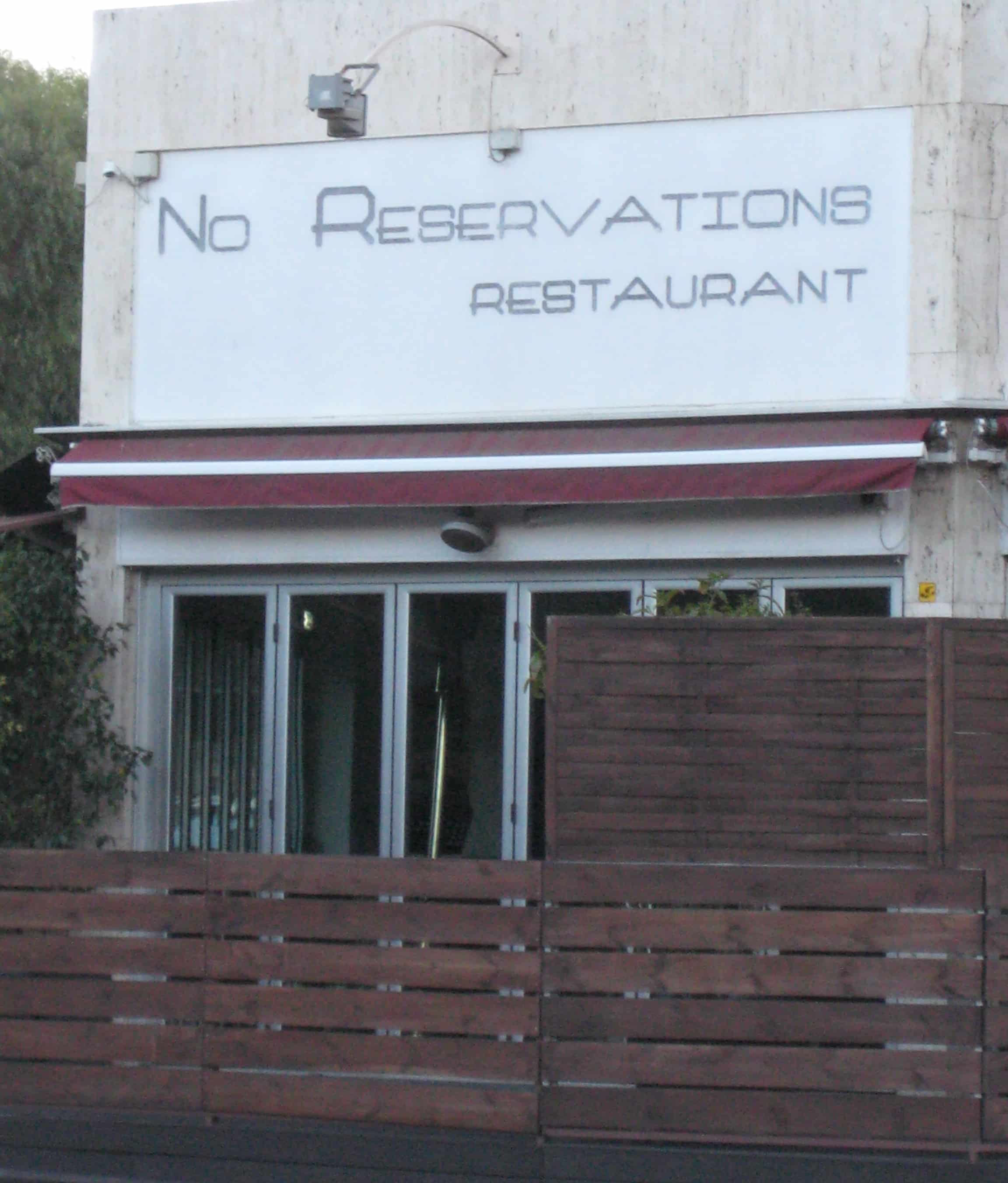
For five or six months they had almost no customers, the couple recall. “We were thinking to close,” says Martino. They couldn’t afford a publicity blitz; one magazine charged €3000 for a photo spread, well beyond the Speciales’ means. “Then Cyprus Mail came,” says Monica, allowing us to blow our own trumpet for a moment. “McCowan came, and he did a review. It was the best review I ever read!” (‘McCowan’ is our restaurant reviewer Alexander McCowan whose review, in July 2012, began with the line: “Nothing in your dining experience in Nicosia will prepare you for No Reservations”.) “And then the first foreigners came – and by ‘foreigners’ I speak about the US embassy. And the British embassy came, it was all people from the embassies at the beginning. And then the Cypriots started coming.”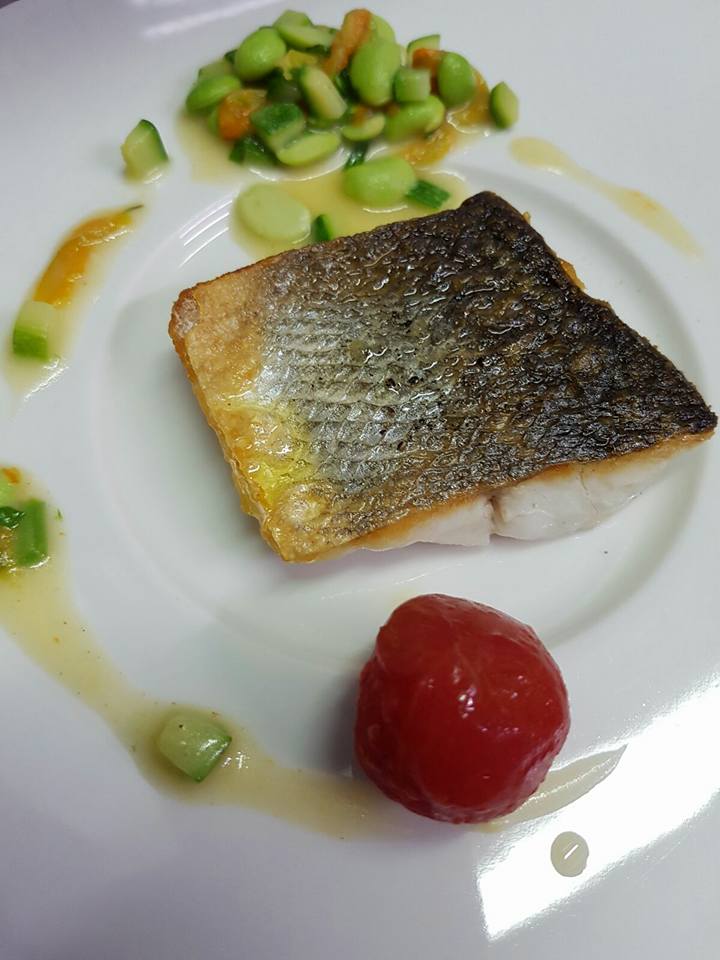
Business picked up, albeit complicated slightly by the crash of 2013 – but the work was still back-breaking. Initially, with a total staff of three people, Monica pitched in with cooking and cleaning in addition to serving tables, all while being heavily pregnant. Martino lost an astonishing 25 kilos in the first year alone, just through having no time to eat (“OK, at the beginning there was not even money to eat!”). For the past six years, his day has started at seven and ended at two in the morning. He’d shop in the morning, then cook all day – “If you’re alone you must make everything from scratch: the bread, the pasta, the ice cream” – and didn’t eat till late at night, when the kitchen closed. Sheer exhaustion (and a touch of homesickness) is certainly a factor in the chef’s relocation.
His handful of assistants were mostly Indians; he speaks highly of them, and hopes to take them along to the restaurant’s new incarnation in Tuscany. Others were unable to fit in with the No Reservations ethic – ‘others’ clearly meaning the average Cypriot employee, adding yet another possible answer to the question why we don’t have more such restaurants. Cigarette and other breaks were demanded; Monica’s ‘no phones’ rule was viewed as an affront to their rights. In London, she recalls, she never once called Martino at work – she’d leave messages with the hotel in case of emergency – despite being alone and pregnant. “No phones. We are like that.” Her husband picks up the thread: “I mean, I’m working at least 15 hours a day. I don’t think I’m too strict with people – but at least, if you work seven hours, you must do your seven hours”.
No Reservations was a fluke and a wonder, gourmet food done on a shoestring, an ingenious business model – knowing in advance what to cook allowed Martino to keep costs down – and a labour of love. Customers didn’t always understand, maybe because we associate haute cuisine with being pampered. Monica didn’t have the staff, or the resources, to pamper people; if a table was taking selfies instead of looking at the drinks menu, she’d pass the menu to another table. The restaurant worked as a well-oiled machine.
 And now? The Speciales leave behind a small community of shell-shocked regulars, trying to make sense of this gap in their lives. The rumour that closure was forced by an inability to find good ingredients is untrue, says Martino. The rumour that they’re moving to some kind of eight-room palazzo is also untrue. In fact, the new place will be on the seafront near Lucca, serving lunch as well as dinner; details will appear on the No Reservations Facebook page, presumably in case local fans decide to visit the couple at their new abode – which is by no means unlikely. Monica and Martino are leaving on a high, knowing they’ve achieved something fine, not yet consumed by bitterness over rivals trying to undermine them (fake reviews were posted on Trip Advisor, false allegations made to Immigration; restaurants are a cutthroat business) and philistines grumbling that the portions were too small. “We are very happy with what we’ve done here,” says Martino. So are we.

