
By Bejay Browne
Former military barracks to become a university campus
The Limassol village of Kato Polemidia has ambitious plans to turn a huge asbestos-ridden former British military barracks into a university campus complete with student residences and parks.
Community leader Nikos Anastasiou said the local council’s plans to build a university town can progress now that the tender process for the removal of toxic asbestos from abandoned Berengaria has opened.
“We are delighted that after a long time, huge efforts and planning, our wish for the asbestos removal and the demolition of the buildings in Berengaria will come to fruition and will put an end to the many problems we have faced for the last 18 years in Polemidia,” he told the Sunday Mail.
Asbestos from Berengaria will be taken to the defunct asbestos mine at Amiandos at Troodos, a process which could get underway by late summer or early autumn, he said.
Kato Polemidia is in a prime location close to Limassol while Berengaria remains unexploited due to the presence of asbestos.
“Our vision is to transform Polemidia to a university town. We want to create a modern university campus with hall of residences, athletic facilities and other business centres that will lift and develop this long-neglected area,” he said.” We want to take Polemidia to a different higher level.”
The government has prepared a tender for the commencement of the works with an initial estimation of 9.5 million euros, within a timeframe of three years.
Responsible government departments have drawn up a detailed and analytical tender, taking into consideration all possible risks and hazards involved in demolishing the existing buildings to protect both workers and residents living around Berengaria, as well as the environment in general.
Anastasiou said that once cleaned, the huge area which covers 260,000 square metres will contribute significantly to improving Polemidia and create a beautiful and healthy environment.
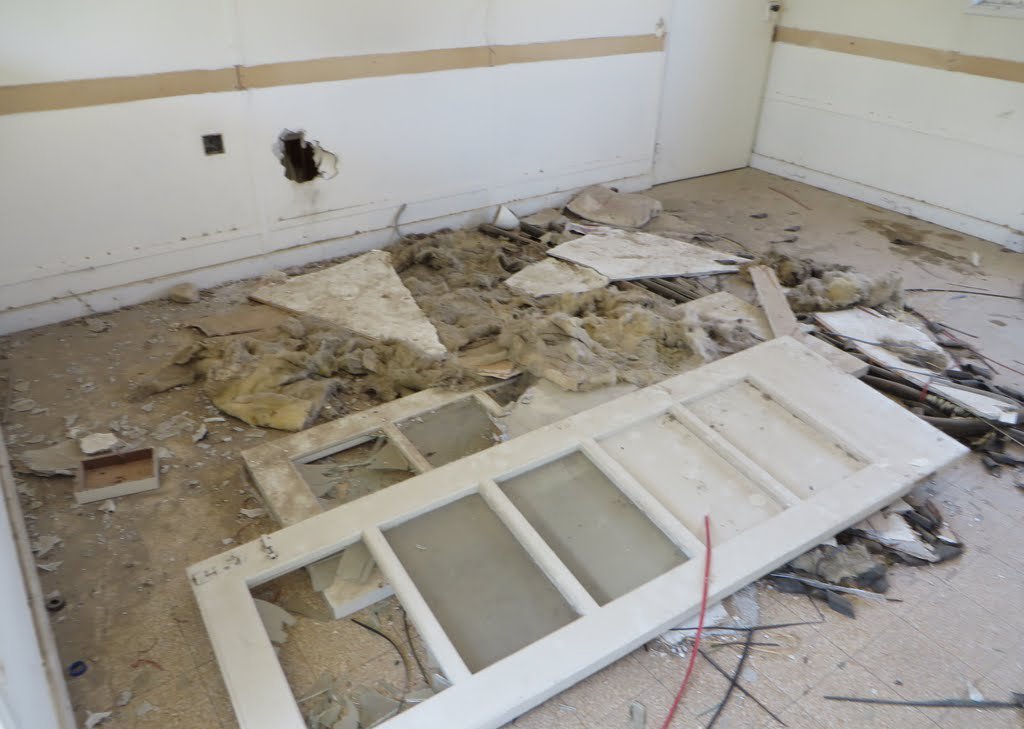
Berengaria was built for British military personnel. In the 1950s and 1960s, houses, a church, a school and a cinema were all built using asbestos materials before people became aware of its dangers and harmful effects.
British soldiers and their families lived in Berengaria until 1999 when the families were moved to a new housing estate within the British base of Episkopi. In 2010, it became the property of the Cyprus government.
Anastasiou said that since the personnel moved out, the area has been left neglected and abandoned, causing many problems to the surrounding neighbourhoods.
The community leader said his plans for the area include keeping 20 per cent as a green area.
“We would also like a further 40 per cent to be used for the Cyprus University of Technology in Limassol and the remaining 40 per cent we would have to develop to cover the costs of the park and the halls of residence.”
The community’s plans have the support of the Green party. The presence of asbestos and the urgent need to dispose of it has long been a concern for Charalambous Theopemptou, Green party MP.
He supports plans to create student accommodation on the site, adding that a current footpath connecting the area to Limassol could easily include a cycle path which would be ‘great’ for the university.
But the asbestos is his main priority.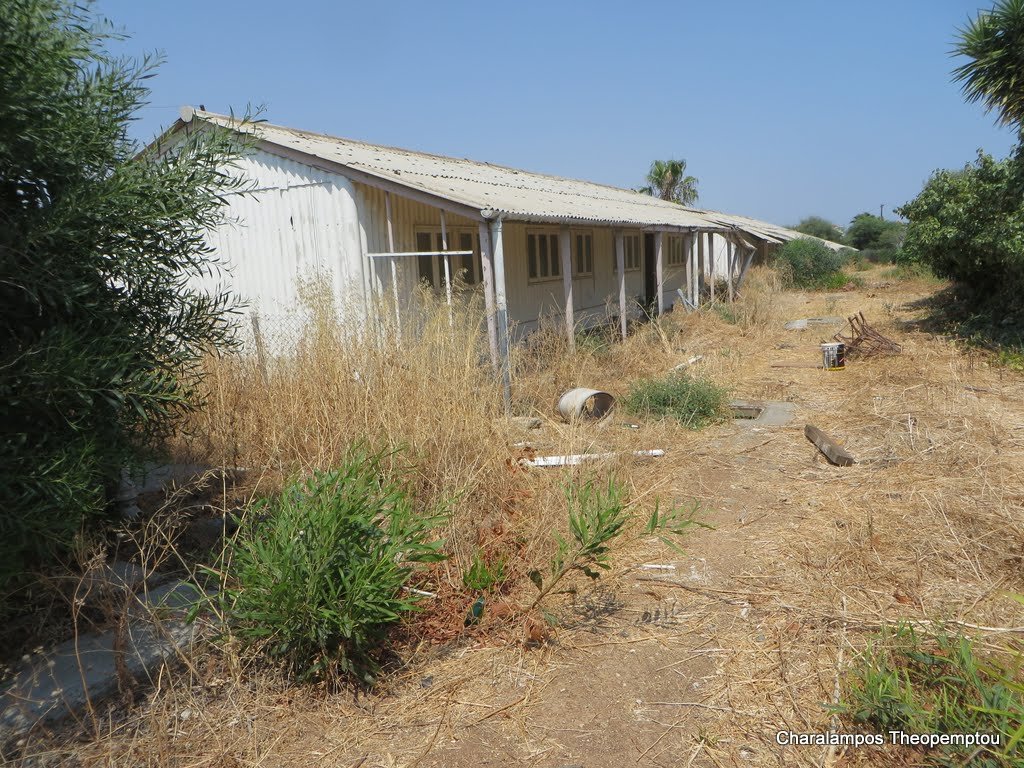
“Asbestos is apparent in the roofs, internal and external walls and is everywhere. They also used it inside walls for insulation,” he said.
Abandoned buildings are now collapsing and the nearby residents are concerned about the effect asbestos fibres may have on their health.
Theopemptiou said that according to the government tender, the removal of the asbestos will see it wrapped up, packed and sealed on site, before being taken to the former asbestos mine where it will be stored. The MP said that previous concerns regarding the management of the disposal site have been allayed and that enough room is available in the defunct mine to safely store the deadly mineral.
The Amiandos mine opened in 1904 and operated until 1988. The height of its production was in the 1930s, where it employed around 6,000 people.
It falls within a section of the Troodos mountains, which is part of an extensive reforestation project that will be completed by 2030, after heavy mining scarred the landscape.
There are strict procedures in place to ensure the safe disposal of asbestos and lengthy guidelines relating to the project are outlined in the tender, said Theopemptou.
He said that the project is a huge one, with pages and pages included in the tender which will operate strict criteria. The site will be closed off during the works and strict health and safety measures will be in place during removal, to ensure that the nearby residents are protected.
A total of 194 residential units will be demolished, as will building infrastructure such as school halls, recreation buildings, a cinema, offices, workshops, shops and ancillary buildings.
Transforming Berengaria will be a long, painstaking process, but Kato Polemidia is looking to the future.
“The entire community is looking forward to a new beginning for Berengaria, with beautiful green areas and public parks and a separate green area which will be a dedicated dog park,” said Anastasiou.

